




KJ3212X1-BA1模拟输入模块 PDF资料
1.产 品 资 料 介 绍:
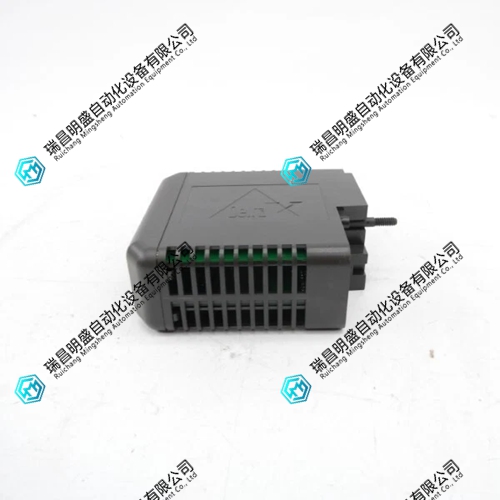
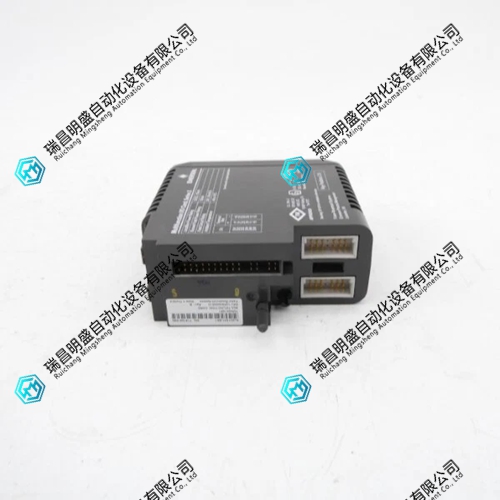
KJ3212X1‑BA1 模拟输入模块
产品概述
KJ3212X1‑BA1 是一种用于工业自动化控制系统的 模拟量输入模块,负责采集来自现场各种模拟传感器的电流或电压信号,并将这些模拟信号转换成可供控制系统处理的数字数据。
核心功能
接收现场模拟量信号(如 4‑20 mA、0‑10 V 等)
将模拟信号转换为数字数据,传递给控制系统处理
支持多路信号输入
与系统内其他控制模块协同工作,实现数据采集与分析
性能特点
高精度:输入信号采集精度高,适合精细测量场景
抗干扰设计:工业级硬件架构,提高现场信号稳定性
多通道设计:可同时采集多个模拟输入
模块化结构:安装更换方便,便于系统维护
典型用途
采集现场传感器输出的模拟信号
过程参数监测,如温度、压力、流量、液位等
为控制器提供实时过程数据,实现自动调节
数据记录、趋势分析与过程优化
安装与使用
模块通常插装在控制系统的 I/O 机架或底板上
需在控制系统工程软件中进行通道配置与参数设定
模块本身负责采集和转换信号,不含独立控制逻辑
与控制系统配合实现数据采集、处理与控制闭环
KJ3212X1-BA1模拟输入模块 英文介绍
KJ3212X1-BA1 Analog Input Module
Product Overview
KJ3212X1-BA1 is an analog input module used in industrial automation control systems, responsible for collecting current or voltage signals from various analog sensors on site, and converting these analog signals into digital data that can be processed by the control system.
core functionality
Receive on-site analog signals (such as 4-20 mA, 0-10 V, etc.)
Convert analog signals into digital data and transmit it to the control system for processing
Support multiple signal inputs
Collaborate with other control modules within the system to achieve data collection and analysis
Performance Characteristics
High precision: High input signal acquisition accuracy, suitable for fine measurement scenarios
Anti interference design: Industrial grade hardware architecture to improve on-site signal stability
Multi channel design: capable of simultaneously collecting multiple analog inputs
Modular structure: easy to install and replace, convenient for system maintenance
Typical use
Collect analog signals output by on-site sensors
Process parameter monitoring, such as temperature, pressure, flow rate, liquid level, etc
Provide real-time process data for the controller to achieve automatic adjustment
Data recording, trend analysis, and process optimization
Installation and Usage
Modules are usually plugged into the I/O racks or baseboards of control systems
Channel configuration and parameter setting need to be done in the control system engineering software
The module itself is responsible for collecting and converting signals, without independent control logic
Cooperate with the control system to achieve closed-loop data acquisition, processing, and control