





KJ3002X1-BG2热电偶模块 PDF资料
1.产 品 资 料 介 绍:
KJ3002X1-BG2 热电偶输入模块 简介
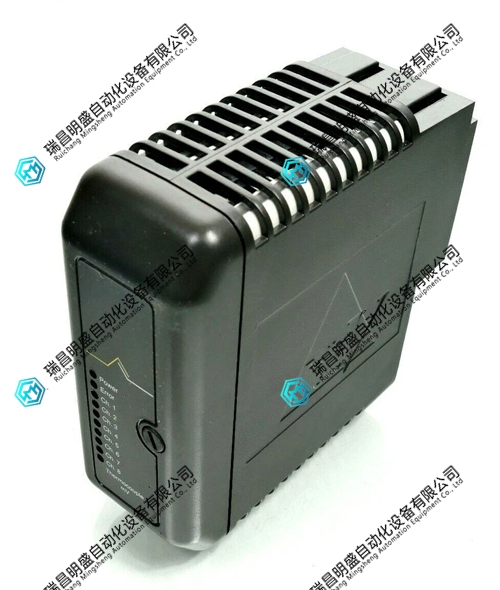
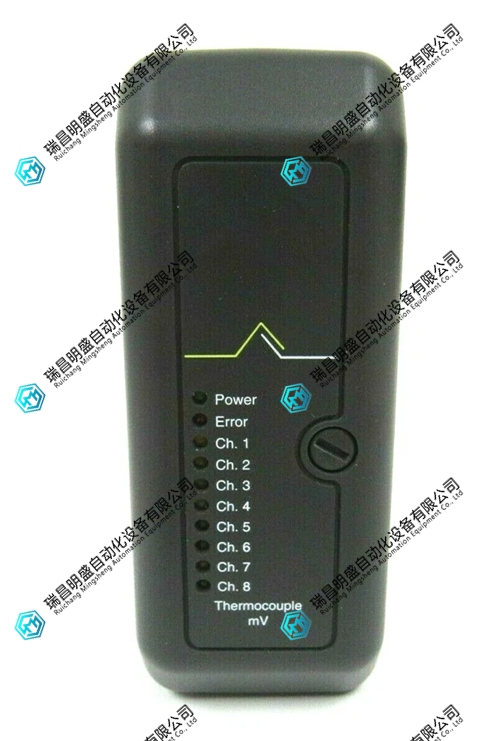
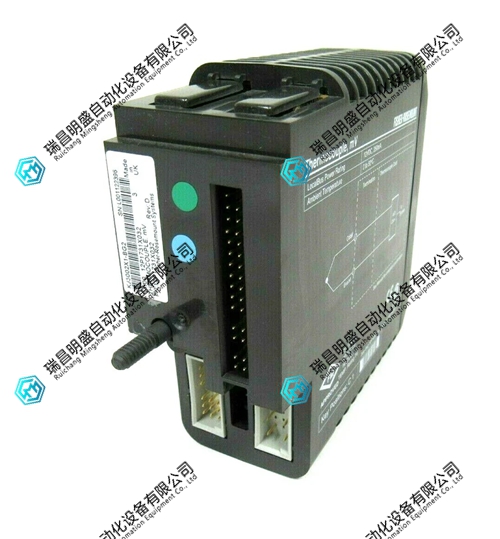
KJ3002X1-BG2 是一款工业级 热电偶输入模块,用于过程控制系统中采集热电偶温度信号,将现场的模拟热电偶信号转换成数字数据并传送给控制系统。
核心功能
支持多路热电偶温度信号输入
多种热电偶类型兼容(如 K、J、T、E、R、S 等)
提供高精度温度采集能力
抗干扰性能好,适合工业现场测量环境
典型应用场景
工业炉温度控制
化工反应釜温度监测
热交换器与锅炉温度采集
制造生产线温度数据采集
技术特点
通道之间隔离设计,提高系统稳定性
精度高、响应快,适合动态温度测量
与过程控制系统完全集成
易于安装、更换和维护
使用说明
此模块通常安装在控制系统的 I/O 机架上,由控制器读取热电偶输入数据并进行处理与控制。模块本身不含温度显示或控制逻辑,需要配合控制系统工作。
总结
KJ3002X1-BG2 热电偶模块是专用于工业自动化系统输入端的温度采集模块,通过将现场的热电偶信号转变为可供控制系统使用的数据,实现精准的温度测量与控制。
KJ3002X1-BG2热电偶模块 英文介绍
Introduction to KJ3002X1-BG2 thermocouple input module
KJ3002X1-BG2 is an industrial grade thermocouple input module used in process control systems to collect thermocouple temperature signals, convert analog thermocouple signals from the field into digital data, and transmit them to the control system.
core functionality
Support multiple thermocouple temperature signal inputs
Compatible with multiple thermocouple types (such as K, J, T, E, R, S, etc.)
Provide high-precision temperature acquisition capability
Good anti-interference performance, suitable for industrial field measurement environment
Typical application scenarios
Industrial furnace temperature control
Temperature monitoring of chemical reaction kettle
Heat exchanger and boiler temperature collection
Temperature data collection for manufacturing production line
Technical Features
Isolation design between channels to improve system stability
High precision, fast response, suitable for dynamic temperature measurement
Fully integrated with process control system
Easy to install, replace, and maintain
Instructions for Use
This module is usually installed on the I/O rack of the control system, where the controller reads thermocouple input data and processes and controls it. The module itself does not contain temperature display or control logic and needs to work in conjunction with the control system.
summary
The KJ3002X1-BG2 thermocouple module is a temperature acquisition module specifically designed for the input end of industrial automation systems. By converting the on-site thermocouple signals into data that can be used by the control system, it achieves accurate temperature measurement and control.