




P0916AC热电偶输入模块 PDF资料
1.产 品 资 料 介 绍:
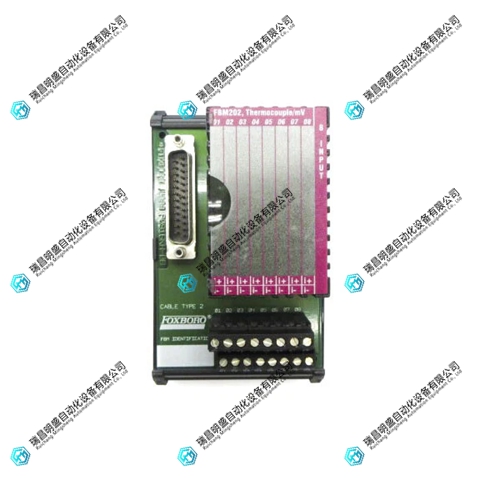
P0916AC热电偶输入模块是一款专为工业自动化测温系统设计的温度采集单元,能够精准、高效地接收与处理热电偶信号,用于多种控制与监测场景。
专用热电偶输入设计,支持多种热电偶类型(如K、J、T等)。
高精度温度采集,确保测量数据可靠。
良好的信号隔离性能,减少干扰影响。
工业级抗干扰设计,适应复杂电磁环境。
标准化模块尺寸,便于系统集成。
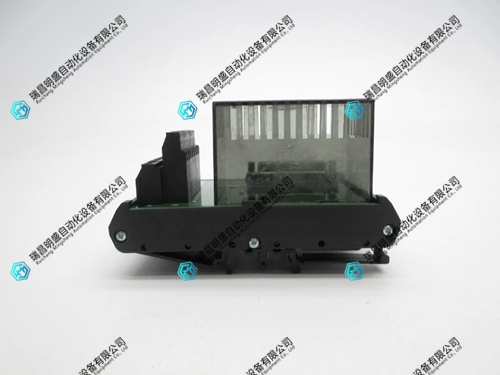
模块化安装结构,维护与更换方便。
稳定的线性响应,提高测量准确性。
优良的接线端子设计,布线清晰简便。
紧凑外形设计,节省控制柜空间。
支持宽温工作环境,适合苛刻工业现场。
电源与信号隔离设计,提高系统安全性。
模块诊断指示功能,便于现场状态监测。
良好散热性能,有利于长期稳定运行。
兼容多种自动化控制系统,提升集成灵活性。
低功耗设计,提高系统整体能效表现。
P0916AC热电偶输入模块凭借其高精度信号采集能力与稳健的工业适应性能,是工业自动化系统实现可靠温度监测的重要组成部分。
P0916AC热电偶输入模块 英文介绍
P0916AC thermocouple input module is a temperature acquisition unit designed specifically for industrial automation temperature measurement systems. It can accurately and efficiently receive and process thermocouple signals for various control and monitoring scenarios.
Specialized thermocouple input design, supporting multiple thermocouple types (such as K, J, T, etc.).
High precision temperature acquisition ensures reliable measurement data.
Good signal isolation performance, reducing interference impact.
Industrial grade anti-interference design, suitable for complex electromagnetic environments.
Standardize module dimensions for easy system integration.
Modular installation structure, easy to maintain and replace.
Stable linear response improves measurement accuracy.
Excellent terminal design, clear and easy wiring.
Compact exterior design, saving control cabinet space.
Supports a wide temperature working environment, suitable for harsh industrial sites.
Power and signal isolation design to improve system safety.
Module diagnostic indication function, convenient for on-site status monitoring.
Good heat dissipation performance is beneficial for long-term stable operation.
Compatible with multiple automation control systems to enhance integration flexibility.
Low power design improves the overall energy efficiency performance of the system.
The P0916AC thermocouple input module, with its high-precision signal acquisition capability and robust industrial adaptability, is an important component of reliable temperature monitoring in industrial automation systems.